Hogwarts Sorting Hat Quiz
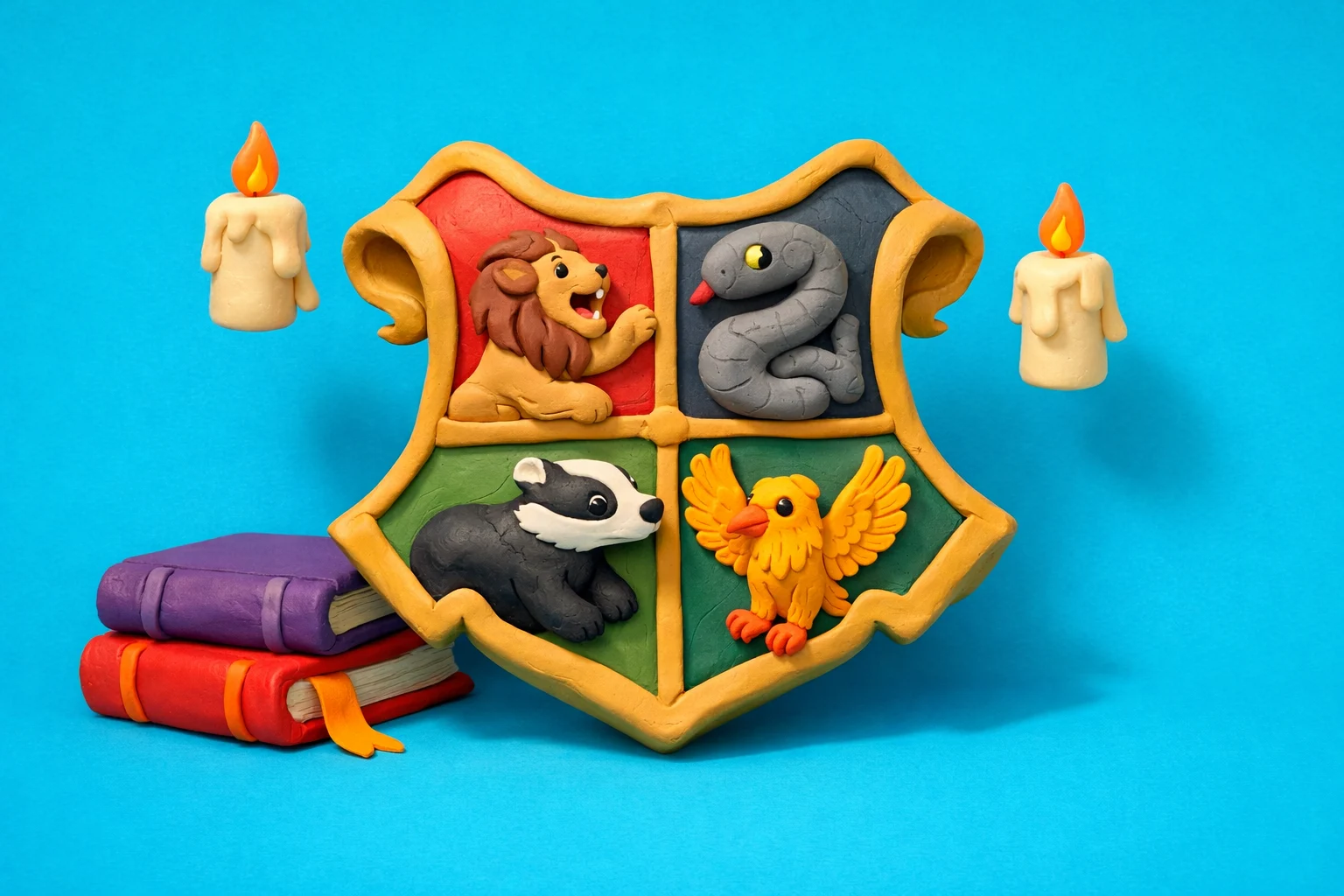
Four Houses, Four Decision Engines (And What Your Answers Signal)
Gryffindor
Core driver: courage and moral bluntness. You tend to act first when something feels wrong.
Slytherin
Core driver: agency, leverage, and future-proofing. You notice power dynamics and you use them on purpose.
Ravenclaw
Core driver: understanding. You want the real reason, the real mechanism, the real answer.
Hufflepuff
Core driver: loyalty, fairness, and follow-through. You protect trust and keep the group functioning.
Sorting Hat Result Help Desk: Accuracy, Ties, Retakes, and Mixed-House Chaos
How accurate is this compared to the Sorting Hat in the books?
It is accurate in the way the Hat behaves in canon: it reads repeating motives, not one heroic moment. If you answer as your “ideal self,” you get a cleaner, less true result. Answer like you act during conflict, deadlines, or social pressure, and your house usually locks in fast.
I got a tie, or my top two houses are super close. What do I do?
Look for the single lever you kept pulling. Risk tolerance often points Gryffindor, control and positioning points Slytherin, curiosity and logic points Ravenclaw, and commitment and care points Hufflepuff. Then scan your closest calls and ask, “What was I protecting?” Your runner-up can be a real secondary vibe, not a wrong answer.
Can I retake without gaming the quiz?
Yes. Retake with one specific lens each time, like exam-week you, friend-drama you, or rules-versus-people you. If your house flips between two, you are probably context-sensitive, not fake.
How should I read my result if I feel like a mix of houses?
Use your top house as your default motive, and your second house as your stress response or your best-day version. Lots of fan-favorite characters read like blends because their values clash across scenes.
Does this match Hogwarts Legacy choices, or is it just classic Hogwarts vibes?
It matches both. Hogwarts Legacy puts you in “problem solver” situations a lot, so your house shows up in how you handle authority, secrets, and consequences. If you want extra flavor, pair this with Find Your Perfect Harry Potter Wand for your problem-solving style, or Discover Your Patronus Magical Protector for what you protect when things get scary.
Great Hall Trivia Bits That Make Your House Screenshot More Fun
- Gryffindoris not only reckless. It is the habit of taking responsibility out loud.
- Slytherinis not only ambition. It is pattern-recognition about people, status, and timing.
- Ravenclawis not only straight A energy. It is staying curious when everyone else wants closure.
- Hufflepuffis not only nice. It is the refusal to abandon a person or a process halfway through.
Want more quizzes like this? Explore the full compliance and training quizzes on QuizWiz.