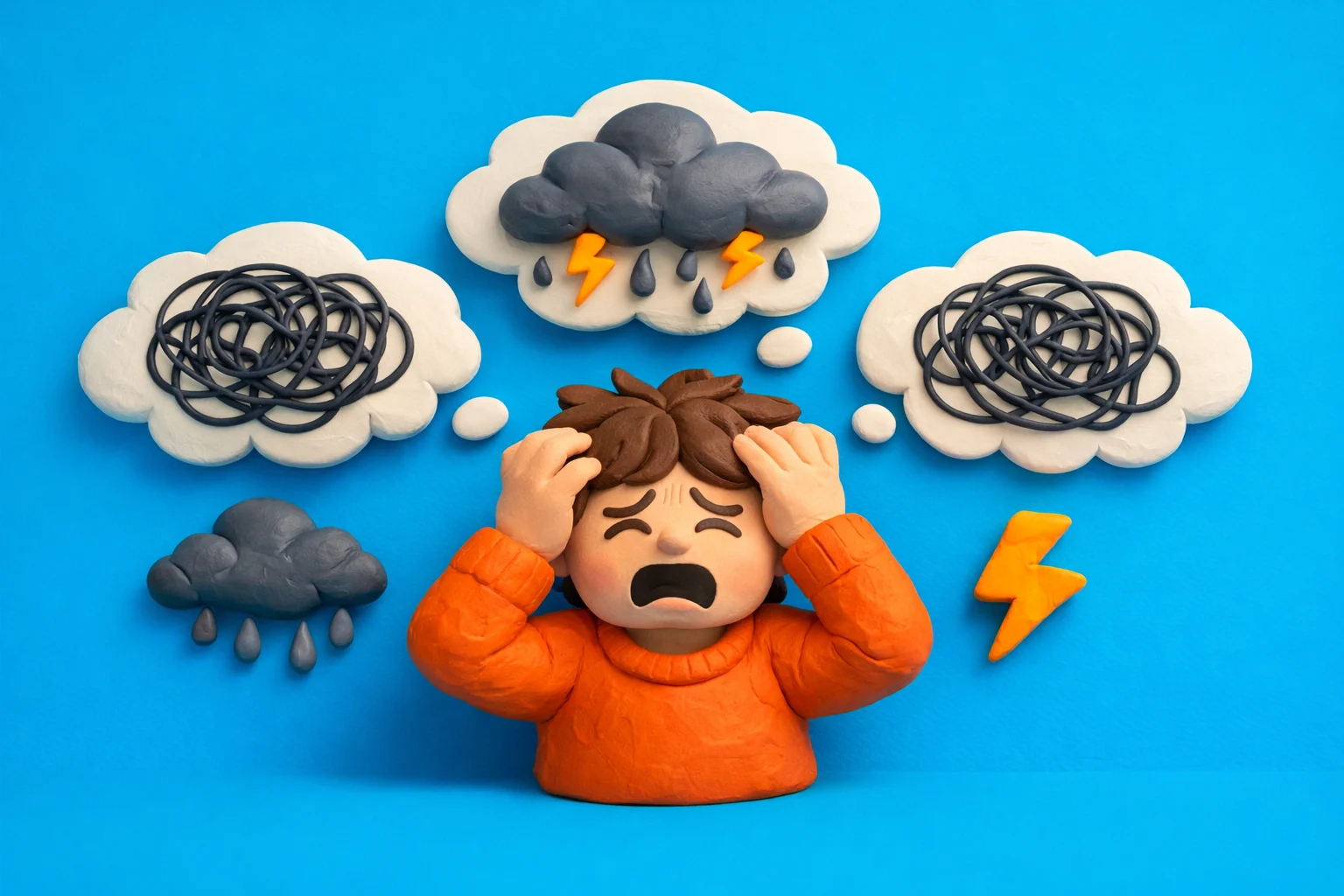
Nervous Breakdown Test Quiz
True / False
True / False
True / False
True / False
True / False
Interpretation Traps in Nervous Breakdown Self-Assessments
What commonly goes wrong
Most score errors come from reading items too literally or ignoring the context that makes distress clinically urgent. Use these corrections as you work through questions.
- Mistake: Treating the result as a diagnosis. Fix: Describe it as screen-positive distress and focus on follow-up, not labels.
- Mistake: Ignoring timeframe. Fix: Answer using the item’s stated period. If none is stated, use a “typical week,” and note any short spikes separately.
- Mistake: Counting symptoms but skipping impairment. Fix: Translate each symptom into a concrete impact, for example missed work, failing classes, skipped meals, conflict, or unsafe driving.
- Mistake: Overweighting one standout symptom like crying or insomnia. Fix: Look for clusters across domains that move together, which signals higher concern than a single symptom.
- Mistake: Under-reading safety items. Fix: Any endorsement of self-harm thoughts, feeling unsafe, or “not wanting to live” shifts the next step toward urgent support and a real-time check-in.
- Mistake: Confusing burnout with a breakdown automatically. Fix: Burnout can be severe, but a “breakdown” pattern usually includes loss of basic functioning plus broad symptoms beyond work, such as sleep, appetite, panic, or hopelessness.
- Mistake: Missing medical, medication, and substance contributors. Fix: Flag recent medication changes, stimulant overuse, heavy alcohol use, withdrawal, thyroid symptoms, anemia signs, or sleep apnea indicators as “needs medical review.”
- Mistake: Answering for how you should feel. Fix: Use observable behaviors. Instead of “I’m fine,” answer based on attendance, hygiene, eating, social withdrawal, and tasks left undone.
Printable Nervous Breakdown Test Scoring and Next-Step Checklist
Print or save as PDF and keep this as a one-page checklist for interpreting nervous breakdown style self-assessments.
Fast interpretation workflow (no diagnosis, just triage)
- Confirm the timeframe (today vs past 2 weeks vs past month). Avoid rating based on a single worst day unless the item says “today.”
- Rate intensity using anchors: mild (noticeable, still functioning), moderate (performance drops), severe (can’t meet basic responsibilities).
- Group items by domain: emotional, cognitive, physical, behavioral, and safety.
- Check clustering: problems in 3+ domains usually signal higher concern than one domain alone.
- Check functional impact in work or school, relationships, self-care, and decision-making.
- Choose next steps based on safety and impairment, not on one total score.
Domain checklist
- Emotional: persistent sadness, panic surges, irritability, numbness.
- Cognitive: racing thoughts, concentration collapse, catastrophizing, memory lapses.
- Physical: insomnia, appetite change, GI upset, headaches, chest tightness.
- Behavioral: avoidance, calling out, isolation, increased alcohol or drug use, agitation.
- Safety: self-harm thoughts, feeling unable to stay safe, reckless behavior, threats from others.
Functional impact markers (translate symptoms into facts)
- Work or school: missed days, major errors, can’t start tasks, disciplinary risk.
- Self-care: skipped meals, poor hygiene, can’t keep up with meds, sleep reversal.
- Relationships: withdrawal, frequent conflict, “snapping,” inability to communicate.
- Responsibility gaps: childcare lapses, unpaid bills, unsafe driving, missed appointments.
Action tiers
- Self-management plus planned support: mild symptoms with intact functioning. Schedule routine care, reduce overload, stabilize sleep, track triggers.
- Prompt professional follow-up (days): moderate impairment, worsening trend, or repeated panic episodes. Consider primary care and mental health referral.
- Urgent same-day help: severe impairment, inability to care for self, or escalating substance use.
- Emergency support now: active self-harm intent, a plan, psychosis, severe withdrawal, or immediate danger. In the US, call or text 988 for the Suicide and Crisis Lifeline, or call emergency services.
Worked Example: Interpreting a Nervous Breakdown Screening Pattern
Scenario
Over the past 2 weeks, Jordan reports sleeping 3 to 4 hours most nights, daily “brain fog,” bursts of panic, and frequent crying. They missed two workdays, stopped answering friends, and skipped meals. They also increased alcohol use to “calm down.” On a safety item, Jordan endorses “I sometimes wish I wouldn’t wake up,” but denies a plan.
Step 1: Lock the timeframe
The relevant window is 2 weeks, not a single bad day. That supports a persistent pattern rather than a brief spike.
Step 2: Map symptoms to domains
- Emotional: crying, panic.
- Cognitive: brain fog, poor concentration.
- Physical: insomnia, appetite disruption.
- Behavioral: missed work, social withdrawal, increased alcohol use.
- Safety: passive death wish statement.
Step 3: Check clustering and impairment
Symptoms appear in all five domains and include concrete impairment (missed work, skipped meals). That pattern fits “breakdown” language in online tests, meaning overwhelming distress with functional decline.
Step 4: Consider contributors you must not ignore
Alcohol increase can worsen sleep and mood, and withdrawal can amplify anxiety. A parallel medical check for sleep disruption and physical symptoms is appropriate, especially if stimulants, thyroid symptoms, or medication changes are present.
Step 5: Choose the next step from safety and functioning
Because a safety item is positive and functioning is declining, the best next step is urgent support, not self-coaching only. Encourage same-day contact with a clinician or crisis support. If intent, plan, or inability to stay safe emerges, escalate to emergency help.
Nervous Breakdown Test Quiz FAQ: Scores, Safety Items, and Next Steps
Does a nervous breakdown test diagnose a mental disorder?
No. Online nervous breakdown tests are screening-style self-assessments. They can indicate severe distress and functional impairment, but they cannot determine a diagnosis like major depression, panic disorder, PTSD, or bipolar disorder. Use results to guide follow-up, symptom tracking, and safety planning.
What matters more than the score when interpreting results?
Functional impact and safety risk. Missing work, failing classes, inability to eat or sleep reliably, and loss of basic self-care often matter more than a total number. Any positive response to self-harm or “not wanting to live” items should move the plan toward urgent support.
How should I answer if symptoms fluctuate a lot?
Anchor to the timeframe in the item, then answer based on what is most typical in that window. If you have peaks, note both: baseline days and worst days. Many people over-score by answering from the single worst evening, which distorts trend and next-step decisions.
What if the quiz points to depression rather than “a breakdown”?
Online “breakdown” patterns commonly overlap with depression, anxiety, acute stress, and burnout. If low mood, anhedonia, sleep or appetite change, and impaired functioning cluster together, a depression-focused screen can add clarity. See the What Disorder Do I Have Self-Assessment can help you compare domains, but it is not a substitute for urgent care.
Looking for more? Browse Healthcare & Medical quizzes on QuizWiz or explore the full professional training quizzes on QuizWiz.