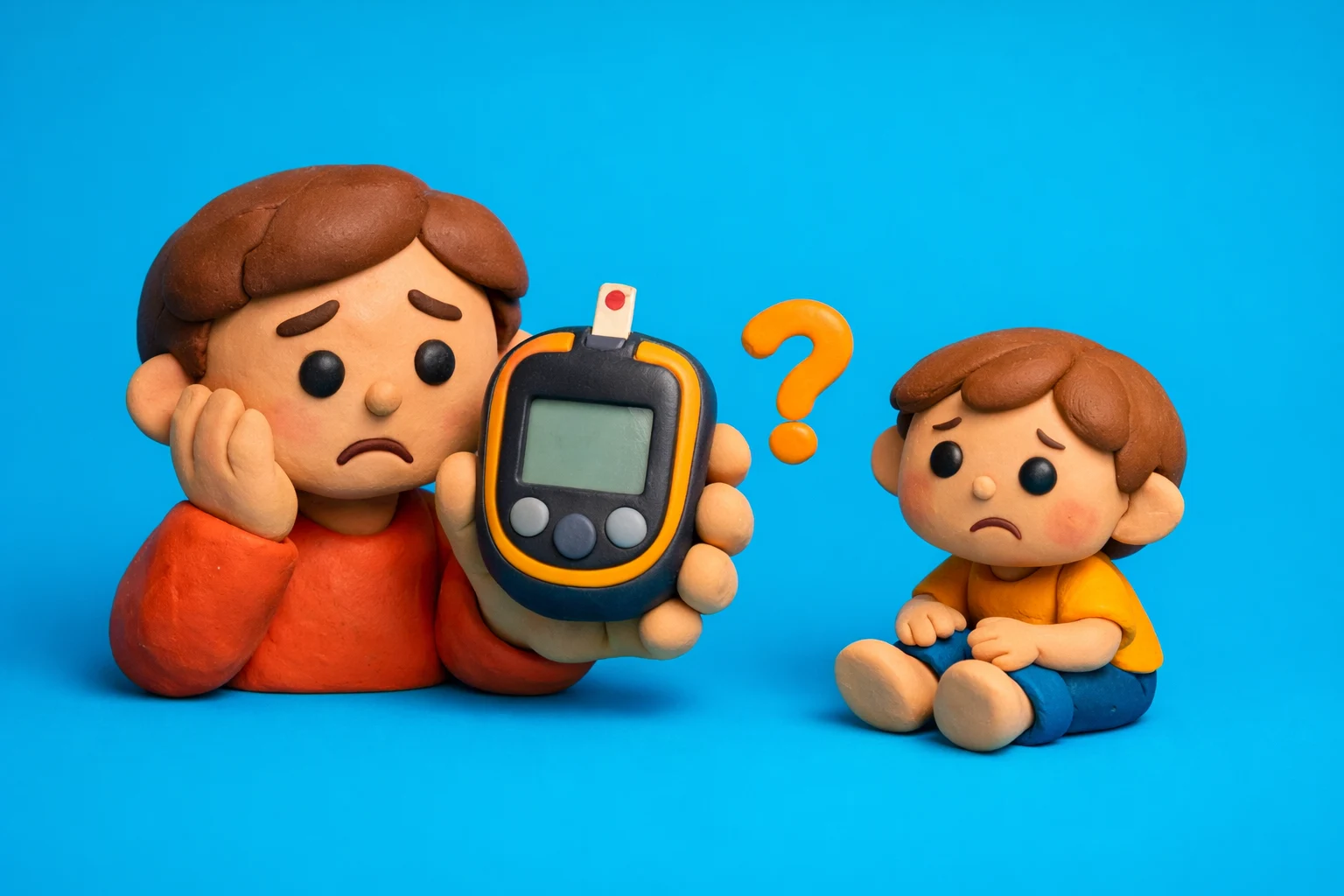
Does My Child Have Diabetes Quiz
Four parent-archetype endings for the “Is this diabetes?” storyline
This quiz returns one of four shareable result types. Each one reflects the pattern in your answers, like how you weigh symptoms, handle numbers, and rally support.
Strategist
Vibe: You think in next steps. You want a clear plan for school, meals, and what happens if things worsen overnight. Maps from: picking options about urgency, contingency plans, and spotting fast change, like sudden vomiting plus heavy breathing or a child who cannot stay awake.
Analyst
Vibe: You collect clues and hate one-off guesses. You care about timing, patterns, and what a single fingerstick can and cannot tell you. Maps from: choosing answers about logging thirst and bathroom trips, comparing days, noticing weight loss with big appetite, and asking for proper testing instead of relying on one “normal” reading.
Connector
Vibe: You build the support party. You notice how symptoms show up at school, sports, and sleepovers, then loop in teachers, relatives, and caregivers. Maps from: selecting answers about communication, consent, school nurse check-ins, and making sure everyone sees the same red flags.
Creative
Vibe: You make hard stuff doable for a kid. You focus on comfort, routines, and reducing friction, like water access, bathroom permission, and snack structure. Maps from: picking answers about gentle habit tweaks, kid-friendly explanations, and reducing blame when behavior shifts are actually body signals.
Screenshot-safe FAQ for interpreting a child diabetes vibe result
How accurate is this, and can it tell me if my child has diabetes?
It is a pattern-spotter, not a medical decision. It can highlight combinations that commonly show up when blood sugar is high, like thirst plus peeing more plus weight loss, or tiredness plus new bedwetting. If your result reads “concerning,” treat it as a prompt to contact a pediatric clinician, urgent care, or a nurse line the same day.
What symptoms should override the vibe and trigger urgent care now?
Do not wait on a quiz result if your child has vomiting, deep or rapid breathing, severe belly pain, confusion, fainting, or is too sleepy to drink. Those clusters can line up with dangerous dehydration and ketone buildup. Seek emergency care immediately if those are present, especially with big thirst and frequent urination.
I got a close match between two outcomes. What does a tie mean?
A tie usually means your answers split between “numbers and patterns” and “people and logistics.” Pick the one that feels most like your default under stress, then read the other as your secondary mode. Many families bounce between Analyst and Strategist during scary symptom spikes, and between Connector and Creative during day-to-day routines.
My child had one normal home glucose check. Does that cancel the concern?
No. One normal reading does not erase a week of thirst, peeing, weight loss, or fatigue. Home checks can miss timing, and symptoms often come in waves. If the story keeps repeating, bring the symptom pattern and timing to a pediatric clinician.
Should I retake the quiz, and when?
Retake it if the symptom pattern changes. New bedwetting after being dry, rapid weight drop, or symptoms that escalate over days are meaningful shifts. Also retake after you correct obvious confounders, like a fever resolving or a new medication ending, so you are not scoring a temporary plot twist.
Easter eggs from the Pediatric Diabetes Cinematic Universe
Fan-favorite “clues” show up in the weirdest scenes, and they get miscast all the time.
The Water Bottle Arc
Kids do not just drink more, they cannot stop thinking about drinks. The recurring prop is the giant cup that never leaves their hand, plus constant bathroom trips that start interrupting class and car rides.
The Bedwetting Retcon
A child who was dry at night and suddenly is not can be a major continuity error worth investigating. It gets blamed on stress, laziness, or “being a deep sleeper,” but it can also be a high-sugar signal.
The Growth Spurt Misdirect
Big hunger can look like a normal growth phase, until it pairs with weight loss or a shrinking growth curve. That combo is the twist that makes parents rewatch earlier episodes like, “Oh, that’s why they were so tired.”
The Mood Swing Side Quest
Irritability and trouble focusing often enter the story as a “behavior problem.” Fans who track timing notice it flares when thirst, headaches, or frequent urination flare too.
The Big Boss Fight (the one you do not want)
Vomiting plus deep, fast breathing plus dehydration vibes can point to a serious emergency. In the lore, this is the scene where you skip the debate, and go get same-day help.