Spirit Animal Quiz
Four Totem Styles, Four Ways You Handle the Moment
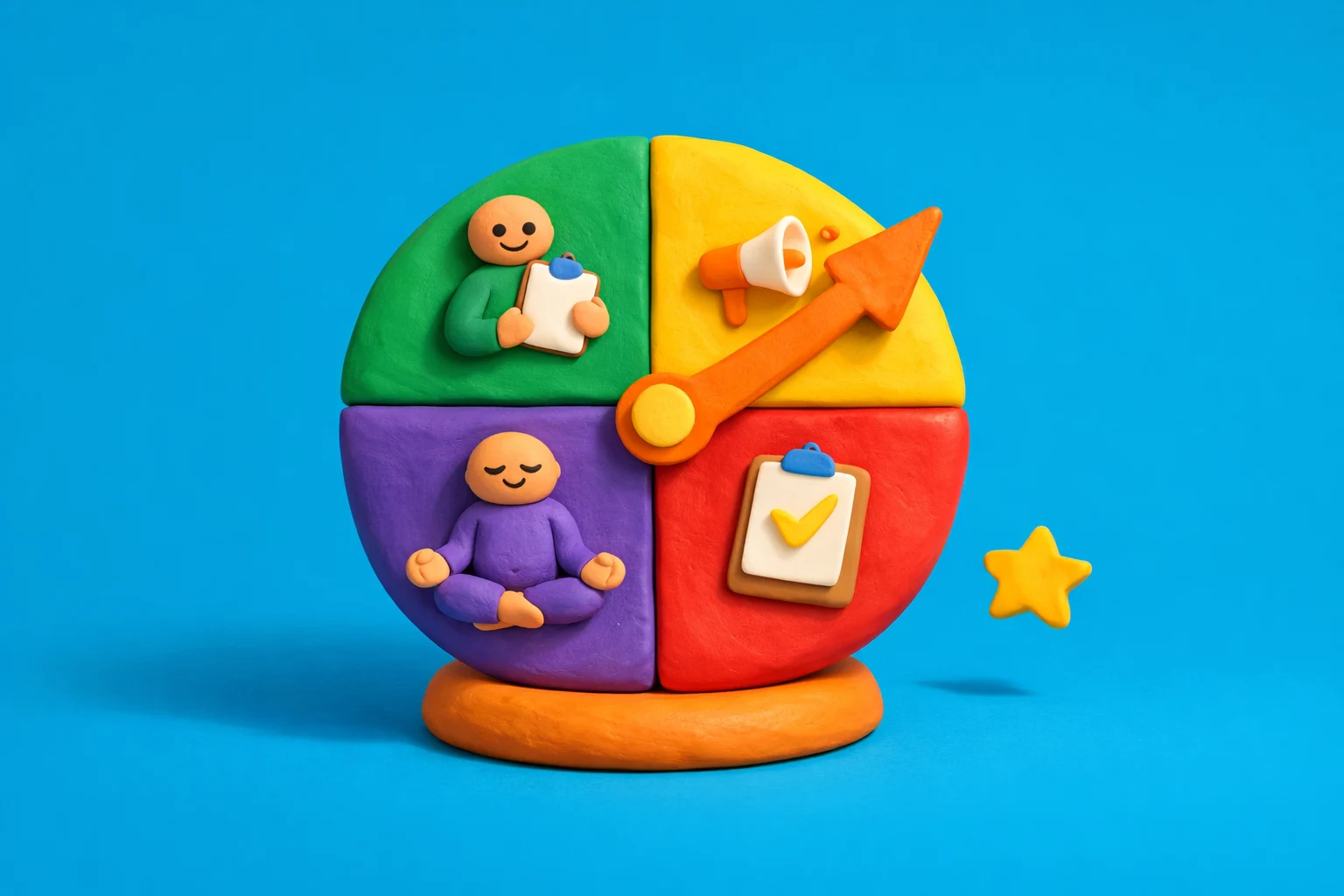
Strategist
Scout + Guardian energyYour answers stack toward boundaries, timing, and “watch first” choices under pressure. You tend to calm the room by scanning, assigning roles, and picking the safest high-impact move. Totem lane energy often shows up as Owl focus, Wolf coordination, Raven signal-reading, and Eagle altitude vision when you need the bigger map.
Creative
Trickster + Maker energyYou pick novelty, sensory curiosity, and playful rule-bending. In conflict, you pivot instead of bracing. In risk, you trust improvisation and momentum. Totem lane energy often shows up as Fox clever reroutes, Butterfly reinvention, Snake shed-and-reset confidence, and Hummingbird quick precision when the vibe needs a spark.
Connector
Herd + Pod energyYour answers favor repair, mentoring, and shared wins over being “right.” You read social temperature fast and pull people back into teamwork. Under stress, you seek honest check-ins and practical care. Totem lane energy often shows up as Dolphin rescue-play, Horse steady companionship, Elephant memory, and Bee purpose-driven teamwork.
Analyst
Tracker + Archivist energyYou collect signals before you commit. Your picks lean toward routines, details, and slow-build progress that keeps you grounded when things get noisy. In risk, you prefer tested steps over bold leaps. Totem lane energy often shows up as Deer alert gentleness, Turtle endurance, Spider patient building, and Bear boundary-setting when needed.
Spirit Animal Result Help Desk: Accuracy, Ties, and Retakes
How accurate is this, really?
Accurate in a mirror sense. Your result reflects the pattern you picked across comfort, conflict, risk, and recovery. It is not a cosmic verdict. If you answered as “best version of me,” retake while picturing a normal Tuesday with errands, texts, and low-grade stress.
I got a tie, or two results feel equally true. What now?
Treat it like a totem duo. Many people flip styles by context, like work-self versus home-self. Read both, then pick one strength from each to practice for a week. The one you slip into without trying is usually your default.
Should I retake if I answered “what I wish I did”?
Yes. Choose what you do when tired, late, or overstimulated. That is where Strategist versus Analyst splits (plan-first vs proof-first), and where Creative versus Connector becomes obvious (spark-first vs people-first).
Why did I get an animal that feels “intense,” like Raven, Snake, or Lion?
Those results usually mean you score high on pattern detection, reinvention, or bold presence in tense moments. Raven often tags signal-reading. Snake often tags reset energy after a mistake. Lion often tags direct leadership when the group hesitates.
Does my spirit animal change over time?
Your core style is sticky, but your “totem lane” can shift with seasons. Burnout can push an Owl toward Turtle pacing. A new social circle can pull a Deer toward Dolphin openness. If your life changed fast, a retake makes sense.
I want more personality frameworks like this. Any fun follow-ups?
If you like type language, try the Free Four Tendencies Personality Type Quiz for how you respond to expectations. If you want a vibe-first result that still feels specific, the What Aesthetic Am I Style Quiz pairs well with your animal energy.
Comment-Section Lore: Totem Edition (For Your Screenshot Caption)
- Owl is the “lights-on at 2 a.m.” archetypeOwl energy reads the room like a map. Fans clock it as the friend who notices the plot hole, the subtext, and the exit sign, then calmly gets everyone home.
- Wolf results love a group chat with rolesWolf is loyalty plus coordination. In fandom terms, it is raid-leader energy, but kind. You do callouts, check-ins, and “we move together” pacing.
- Fox is pure “I can fix it” improvisationFox energy shows up as clever pivots, meme-level timing, and solutions that look chaotic until they work. People think it is reckless, then ask you to do it again.
- Dolphin is the hype-person who also rescues youDolphin is play plus protection. It is the friend who keeps the vibe fun, notices who got quiet, and pulls them back in with a joke and a real check-in.
- Deer (Stag) is gentleness with radarDeer energy is not “soft.” It is alert, responsive, and fast at reading danger. In stories, it is the character who hears the shift first, then keeps everyone steady.
- Snake and Butterfly are both glow-up codesSnake is the hard reset. Butterfly is the visible transformation. If you land here, your answers often favor change after pressure, not comfort before it.
Five Signals This Quiz Uses to Call Your Animal Ally
- Conflict tempo (freeze, fix, or face)
Strategist and Analyst tend to slow the scene down, but for different reasons. Strategist slows to protect the group. Analyst slows to verify the signal. Creative speeds up to pivot. Connector slows to repair the bond.
Action:Think of your last tense text thread. Did you ask for clarity, make a joke pivot, set a boundary, or mediate first? - Risk style (calculated leap vs playful leap)
Eagle, Owl, and Bear lanes correlate with “risk, but with rails.” Fox, Snake, and Butterfly lanes correlate with “risk, then adapt fast.” Dolphin and Horse lanes often choose “risk if it keeps people safe together.”
Action:Pick one risk you keep postponing. Add rails (deadline, buddy, checklist) or add play (tiny first draft) based on your result. - Comfort default (solo reset vs social refill)
Analyst and Strategist often recover through quiet control, routines, and fewer inputs. Connector recovers through trusted people and honest warmth. Creative recovers through sensory novelty, movement, and making something messy on purpose.
Action:Build a 15-minute reset you can actually do. Quiet lane: tidy one surface. Social lane: voice-note a safe friend. Novelty lane: remix a playlist and go for a short walk. - Boundary language (hint, ask, or declare)
Wolf and Bear lanes tend to declare boundaries cleanly. Deer often hints first, then asks. Dolphin often negotiates to keep the group intact. Fox may dodge conflict until a sharp, witty boundary lands all at once.
Action:Write one boundary sentence you can copy-paste. Example: “I can do X, not Y. I can revisit on Friday.” - Uncertainty behavior (collect signals vs create options)
Raven, Owl, and Spider lanes collect patterns, then move. Fox and Octopus lanes create options to reduce panic. Horse and Elephant lanes check the human factors first. Lion lanes move early and rally others with confidence.
Action:Next time you feel stuck, choose one move that matches your lane. Signal-collectors: list three facts. Option-creators: list three routes. People-checkers: ask one person what they need.
Looking for more? Browse Education & Academics quizzes on QuizWiz or explore the full professional training quizzes on QuizWiz.